A trailer can look spectacular without explaining why anyone should play the game. For a developer, that is an expensive mistake: viewers remember the film, but not the mechanics, the world or the project’s name. That is why we start trailer development with its purpose rather than an engine choice: is it meant to pitch the game to a publisher, build interest ahead of release or support the launch?
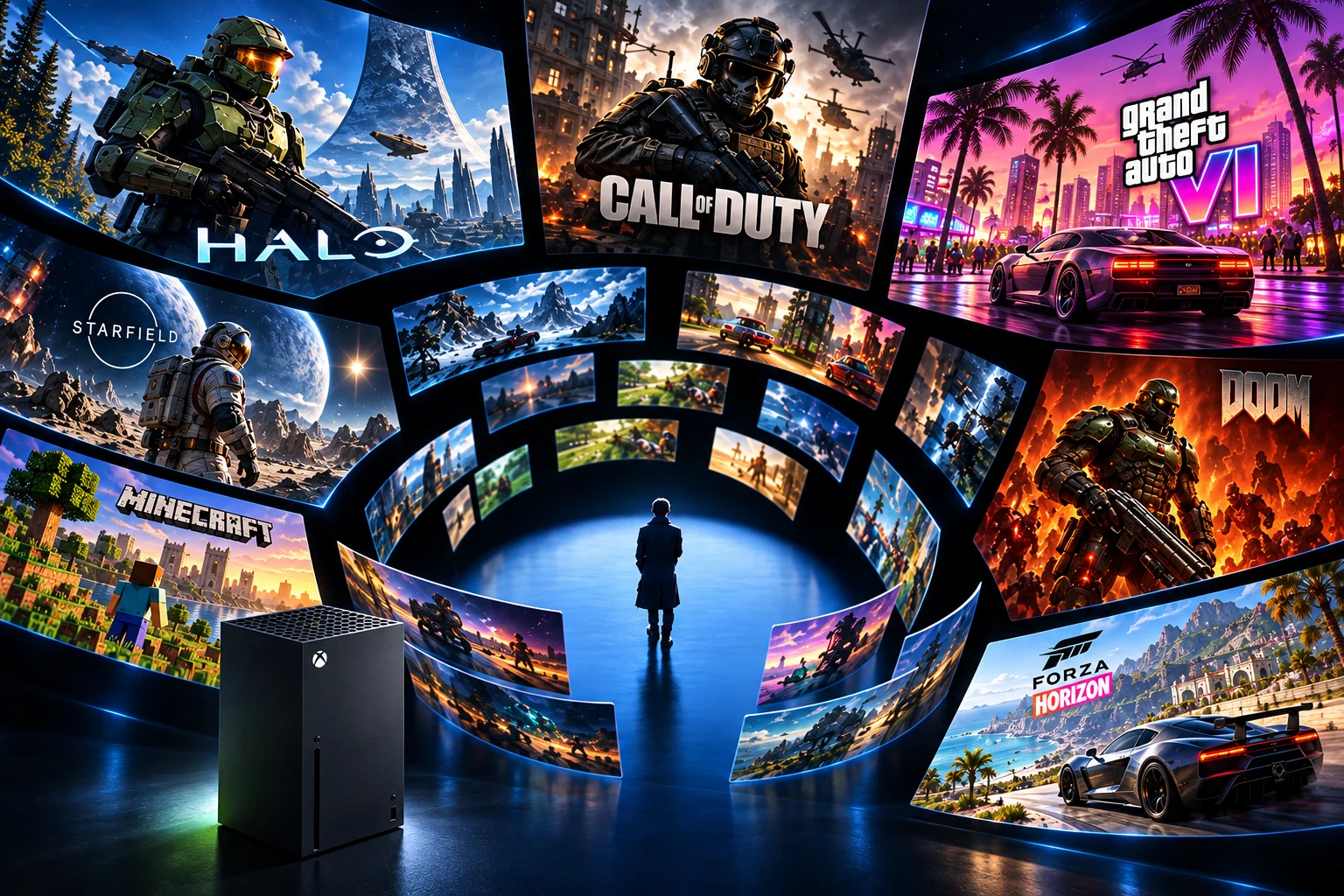
Cinematics and gameplay trailers serve different purposes. A cinematic establishes atmosphere, characters and the scale of the world. A gameplay trailer shows the experience players can expect. The two can work together, provided the transition from a staged sequence to gameplay does not set misleading expectations. Unreal Engine, existing game assets, animation and VFX give teams the tools to make that connection; the production pipeline depends on the state of the build and the final film’s requirements.
Before production begins, agree on distribution channels, the game version, available assets, music rights and the required deliverables. One project can then provide a launch trailer, shorter cuts for social media and materials for creator collaborations.